

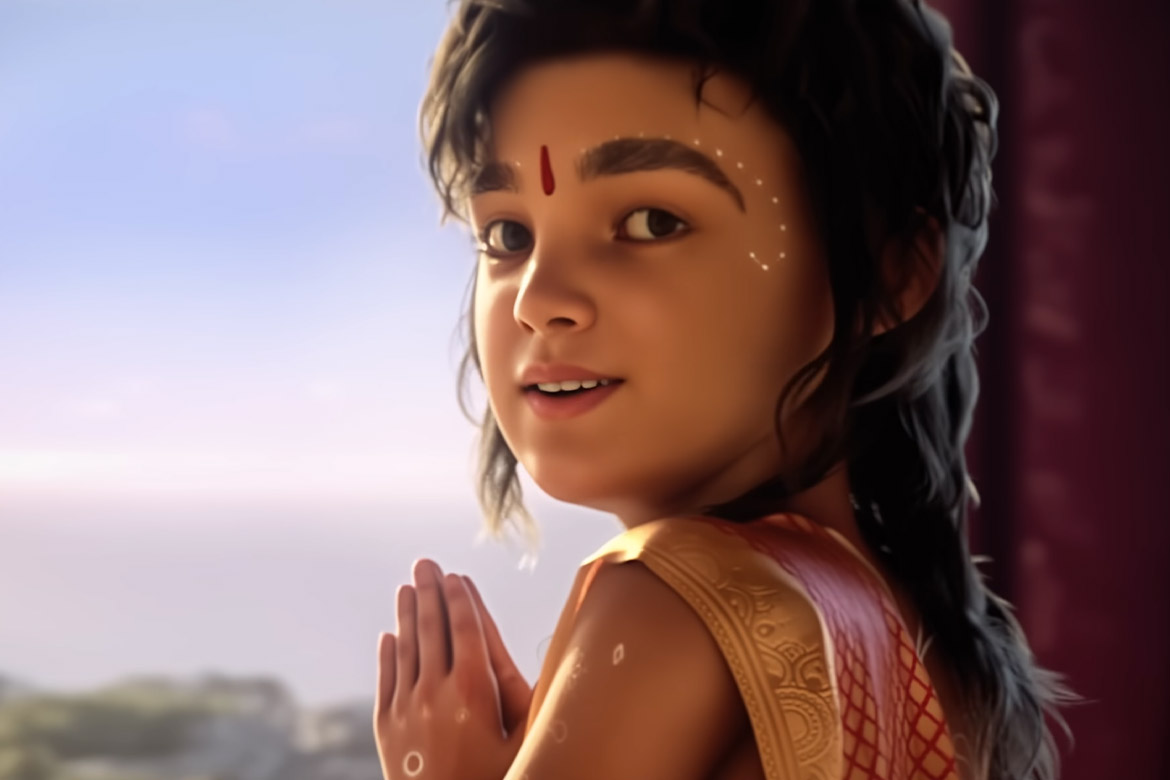
Mahavatar Narsimha, an animated film based on the story of Prahlada and Lord Vishnu, is doing incredibly well at the box office. In just five days, it has earned almost ₹30 crore across India. That’s a big deal, especially for an Indian animated film. The movie started slow but quickly picked up, even beating the 2005 film Hanuman to become the highest-grossing Indian animation ever. Because of its success, it’s now being released in other countries too.
The film tells the powerful mythological tale of Prahlada, a young boy who has deep faith in Lord Vishnu, and his father Hiranyakashipu, a cruel king who tries to stop him. When the king’s cruelty goes too far, Lord Vishnu appears in the fierce form of Narasimha to protect Prahlada. The story is well-known in Indian culture, but this film presents it with beautiful animation and a strong emotional touch.
Director Ashwin Kumar said he never even considered casting a real actor as Lord Narasimha. He believes animation allows for more respect and freedom, especially when showing divine characters. For him, it wasn’t just about making a movie—it was about devotion. He and his team followed sacred texts and stories to make sure they got the details right and stayed true to the spirit of the myth.
Kumar also explained that animation helped keep the focus on the story, rather than the actors. He didn’t want people to see a celebrity as a god—he wanted them to feel the presence of Narasimha himself. Live-action, he says, would’ve cost much more and may not have captured the magic as well. Plus, animation gave him more control and allowed his team to use their talents to the fullest.
This film is just the beginning. Mahavatar Narsimha is the first in a series of animated movies that will each focus on one of Lord Vishnu’s ten avatars. These films will release over the next decade, forming what the makers call the Mahavatar Cinematic Universe. Ashwin Kumar hopes this project will also help grow India’s own animation industry, so we can start telling our own stories on a bigger stage.